
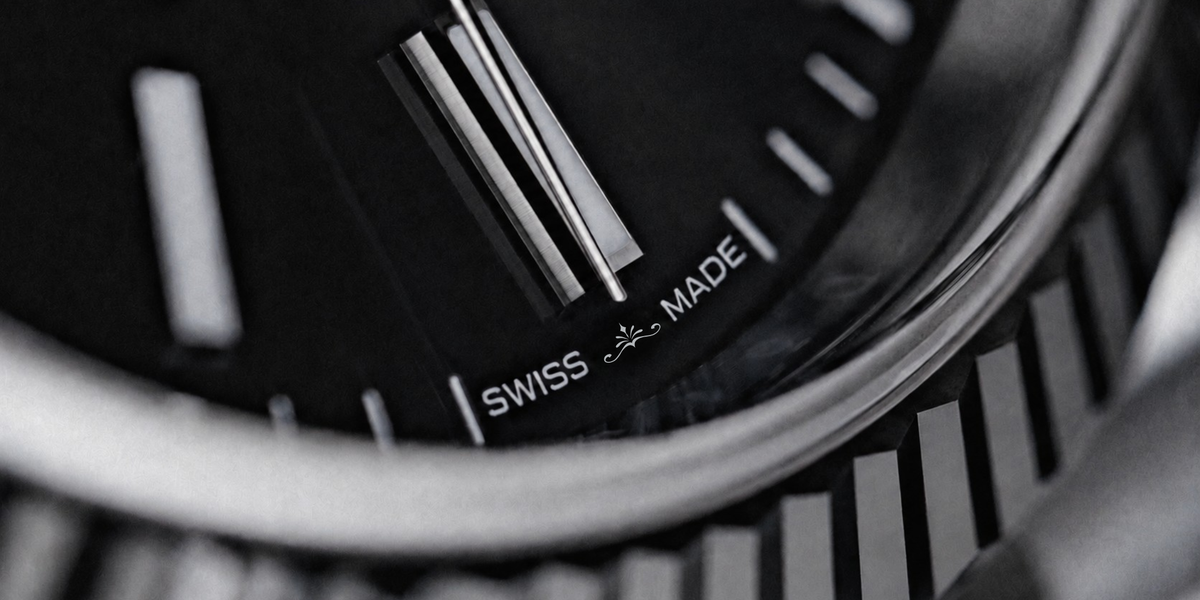
Look closely at the bottom of a watch dial and you will find one of a few small phrases: "Swiss Made," "Swiss Movement," or occasionally "Swiss Parts." They sound almost interchangeable, and watch marketing often blurs the line on purpose. But they are not the same thing, and the difference can mean a lot for what you are actually buying and what you are paying for.
This guide explains the real, legal difference between "Swiss Movement" and "Swiss Made," why it matters for the price you pay, and how to check which one your watch actually has. It is short, practical, and free of the vagueness the watch industry sometimes relies on.
The Short Answer
"Swiss Made" is the higher and legally stricter designation. It means the complete watch, not just the movement, meets a set of legal requirements: the movement is Swiss, the watch is cased up in Switzerland, the final inspection happens in Switzerland, and at least 60% of the total manufacturing cost is generated in Switzerland.
"Swiss Movement" means only the movement inside is Swiss. The case, dial, hands, and bracelet can be made anywhere in the world, and the watch can be assembled outside Switzerland. You are getting a Swiss engine in a body that may not be Swiss at all.
So the difference is scope. "Swiss Made" certifies the whole watch. "Swiss Movement" certifies only the part you cannot see. That distinction is the whole point, and it matters more than the similar-sounding words suggest.
Swiss Movement: What It Actually Requires
"Swiss Movement" on a dial tells you one specific thing: the movement, the mechanism that makes the watch run, qualifies as Swiss. For a movement to be considered Swiss, it must be assembled in Switzerland, inspected by the manufacturer in Switzerland, and have at least 60% of its value of Swiss origin.
That is genuinely something. A Swiss movement is a real quality marker for the engine of the watch. But notice what it does not cover: everything else. Under a "Swiss Movement" label, the case could be made in one country, the dial in another, the bracelet in a third, and the whole thing assembled somewhere outside Switzerland entirely. As long as the movement is Swiss, the watch can legally say "Swiss Movement."
This is why "Swiss Movement" is often used by brands that want to attach some Swiss credibility to a watch that is otherwise made elsewhere to keep costs down. It is not dishonest, the movement genuinely is Swiss, but it is a narrower claim than it sounds, and it is easy to mistake for the fuller "Swiss Made."
Swiss Made: The Legally Protected Standard
"Swiss Made" is a different level entirely. It is a legally protected designation defined by Swiss federal law and enforced by the Federation of the Swiss Watch Industry (FH), and it applies to the whole watch.
To carry "Swiss Made," a watch must meet four criteria: the movement must be Swiss, the movement must be cased up in Switzerland, the final inspection must take place in Switzerland, and at least 60% of the total manufacturing cost of the complete watch must be generated in Switzerland. These rules were significantly tightened in 2017, raising the threshold and extending it from just the movement to the entire watch.
That last point is what separates the two labels. "Swiss Made" requires the majority of the whole watch's value to be Swiss, not just the movement. A brand cannot put a Swiss movement in an otherwise foreign-made watch and call it Swiss Made; that would only qualify for "Swiss Movement." The full detail of how the certification works is in the what does Swiss Made actually mean guide, and the official standard is maintained by the Federation of the Swiss Watch Industry at fhs.swiss.
Because it is legally protected and actively enforced, "Swiss Made" on a dial is a claim a brand cannot make unless the watch genuinely qualifies. That enforcement is what gives the label its value.
Why the Difference Matters for the Price You Pay
Here is where the distinction becomes practical rather than academic.
Manufacturing a complete watch in Switzerland to the 60% Swiss-value threshold is expensive, because Switzerland is one of the highest-cost countries in the world to produce anything. A genuine Swiss Made watch carries that cost. A "Swiss Movement" watch does not, because only the movement is Swiss and the rest can be made wherever it is cheapest.
This cuts two ways for the buyer. On one hand, a "Swiss Movement" watch can be cheaper while still having a Swiss engine, which can be genuine value if that is what you want. On the other hand, some brands price a "Swiss Movement" watch close to Swiss Made prices, banking on buyers not noticing the difference, so you pay a near-Swiss-Made price for a watch that is only partly Swiss.
The label tells you where the money went. "Swiss Made" means the majority of the watch's value was created in Switzerland. "Swiss Movement" means only the movement was. When you are comparing two watches at similar prices, checking which label each carries tells you which one is genuinely more Swiss, and whether the price is justified.
How to Check Which Label Your Watch Has
Confirming which designation a watch carries is straightforward if you know where to look.
Read the dial. The designation appears at the bottom of the dial, usually at the 6 o'clock position. Look for the exact words. "Swiss Made" is the full standard. "Swiss Movement," "Swiss Movt," or "Swiss Parts" are the narrower claims. The precise wording is legally regulated, so it is reliable.
Check the caseback. Many watches repeat the designation on the caseback alongside the serial number and other details. Cross-check it against the dial.
Research the specifications. A brand that is genuinely Swiss Made will usually say so clearly, name the movement, and explain the manufacturing. If a brand is vague, uses only "Swiss Movement," or avoids the question of where the watch is assembled, that tells you something.
Be wary of surrounding language. Marketing may lean on words like "Swiss-inspired," "Swiss design," or "Swiss craftsmanship," none of which are legally defined or mean the watch is Swiss Made. Only the specific dial designations carry legal weight.
What Soren Uses and Why
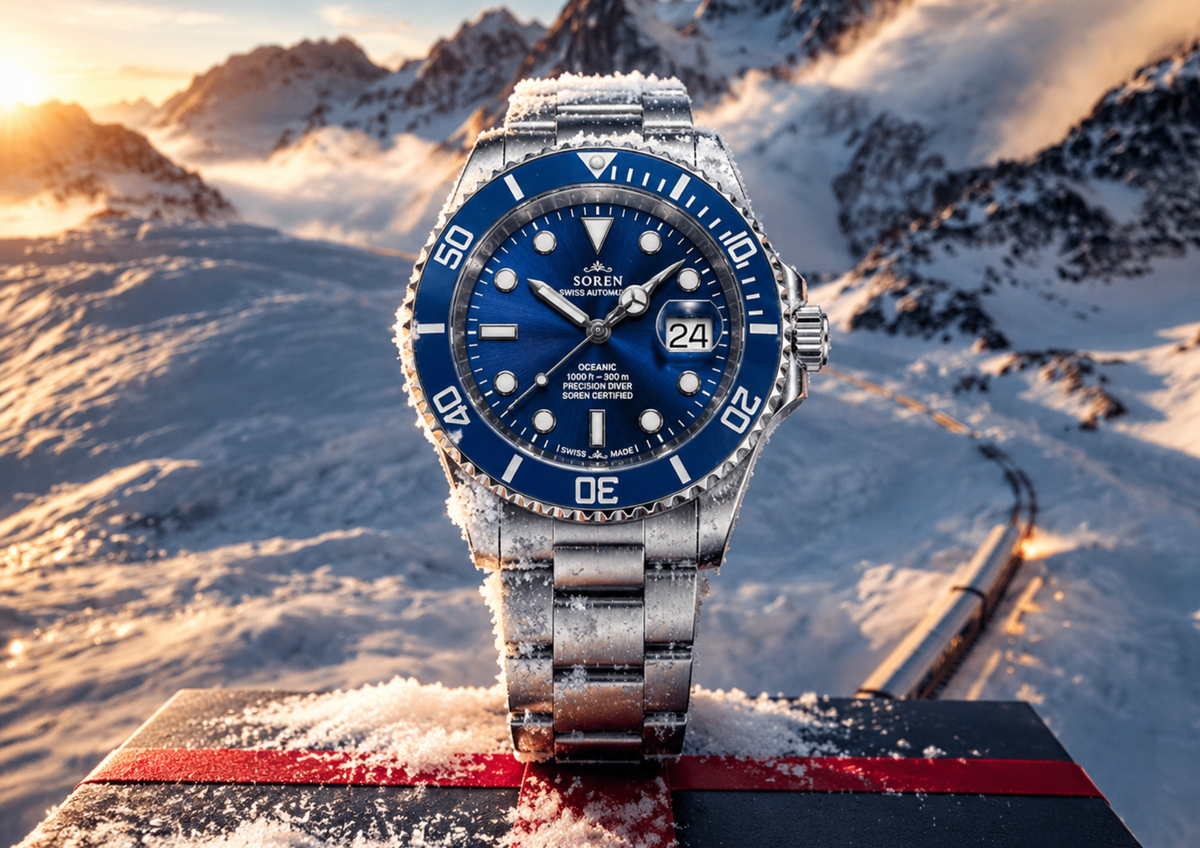
Soren watches are Swiss Made, the full standard, not "Swiss Movement."
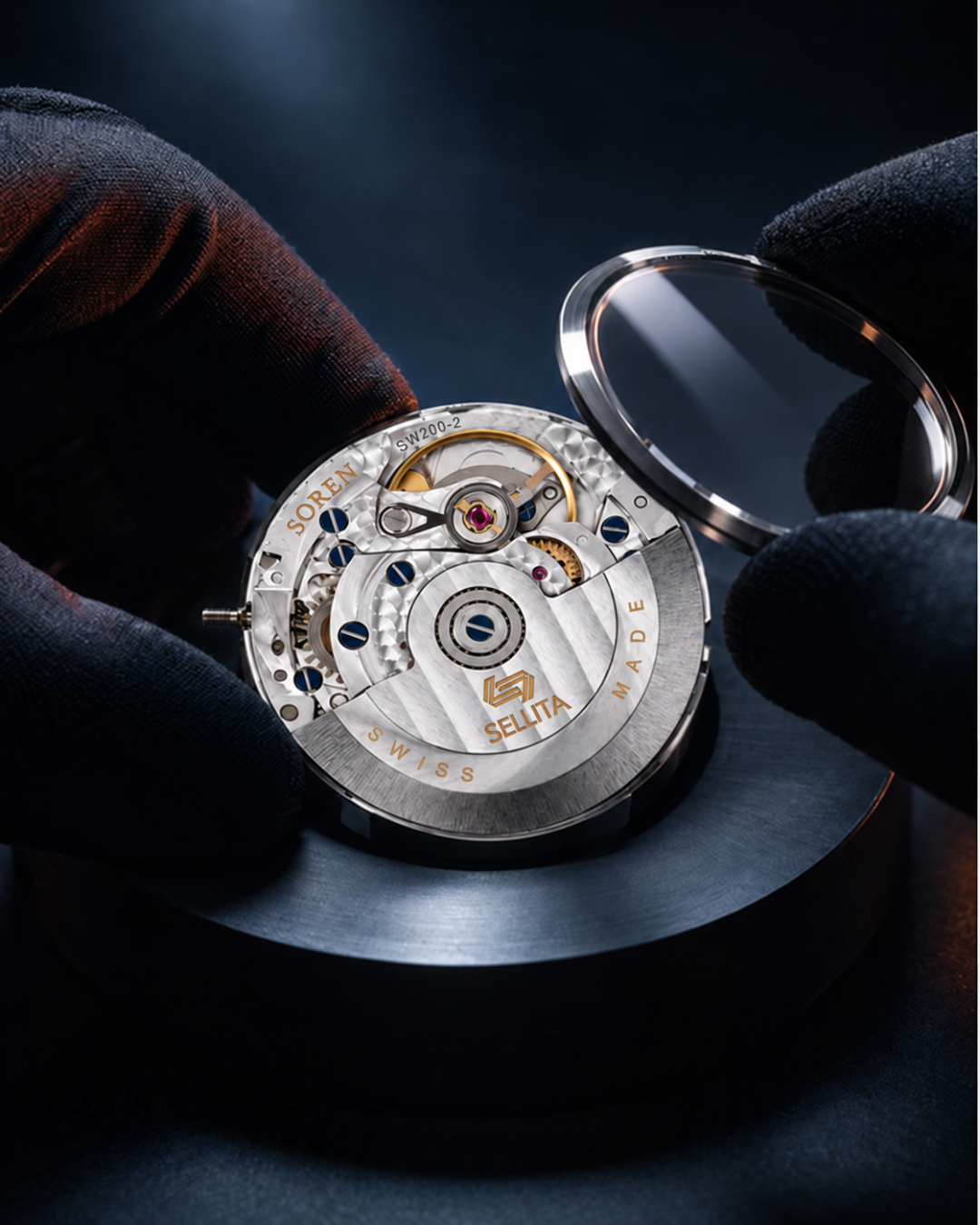
Every Soren watch is manufactured, assembled, and given its final inspection in Switzerland, with a Swiss Sellita SW200-1 movement, meeting all four legal criteria for the Swiss Made designation. This is true even though Soren is a Dutch company, because Swiss Made certifies where and how the watch is made, not where the company is based.
The reason Soren commits to full Swiss Made rather than the cheaper "Swiss Movement" route is the same reason the brand uses solid 316L steel rather than coated metal: the goal is a genuine article, not a watch that borrows credibility from one Swiss component while cutting corners on the rest. When you buy a Soren, the whole watch meets the Swiss standard, not just the engine inside it. Whether that makes Soren a brand worth buying is covered honestly in the is Soren a good brand guide.
FAQ
Is "Swiss Movement" a scam?
No, it is not a scam. "Swiss Movement" is a legitimate designation meaning the movement genuinely is Swiss. It becomes misleading only when a brand prices a "Swiss Movement" watch close to full Swiss Made prices, hoping buyers assume the whole watch is Swiss. The label itself is honest; the potential problem is buyers not understanding that it covers only the movement, not the complete watch. Knowing the difference protects you.
Can a watch be Swiss Made without a Swiss case?
Not entirely. To be Swiss Made, at least 60% of the total manufacturing cost of the whole watch must be generated in Switzerland, and the watch must be cased up and inspected in Switzerland. Some individual components, such as certain raw materials or a strap, can be sourced internationally as long as the overall 60% threshold is met. But the watch as a whole, including the bulk of its value, must be Swiss. A watch built mostly around a foreign case and components would not qualify as Swiss Made, only potentially as "Swiss Movement."
Does Soren use Swiss Made or Swiss Movement?
Soren uses full Swiss Made. Every Soren watch meets all four legal criteria: a Swiss movement, cased up in Switzerland, final inspection in Switzerland, and at least 60% of manufacturing cost generated in Switzerland. It is not the narrower "Swiss Movement" designation. This is the case even though Soren is a Dutch company, because the label reflects where the watch is made, not where the brand is based.
What is the difference between "Swiss Made" and "Swiss Movement" in one sentence?
"Swiss Made" means the whole watch meets Swiss legal standards; "Swiss Movement" means only the movement inside is Swiss, while the rest of the watch may be made and assembled anywhere.
Why do some brands use "Swiss Movement" instead of "Swiss Made"?
Usually cost. Building a complete watch to the Swiss Made standard in Switzerland is expensive. Using a Swiss movement in a watch otherwise made and assembled in lower-cost countries lets a brand attach genuine Swiss credibility to the movement while keeping the overall price down. This is legitimate, but it means the watch is only partly Swiss, which is why the two labels exist and why the distinction matters.
Is "Swiss Made" always better than "Swiss Movement"?
Better is the wrong word; more Swiss is accurate. "Swiss Made" guarantees more of the watch is genuinely Swiss, which for many buyers is the point of buying Swiss at all. A "Swiss Movement" watch can still be a good watch and good value, especially if priced accordingly. The problem is only when a "Swiss Movement" watch is priced as if it were Swiss Made. Knowing which label you are buying ensures you pay the right price for what you are actually getting.
The Bottom Line
"Swiss Movement" and "Swiss Made" look similar on a dial and mean genuinely different things. "Swiss Movement" tells you the engine is Swiss. "Swiss Made" tells you the whole watch is, to a legally defined and enforced standard requiring 60% of the watch's value to be created in Switzerland.
The difference matters most when you are comparing prices. The label tells you where the money went and how much of the watch is truly Swiss. A watch that is only "Swiss Movement" should not cost the same as one that is fully Swiss Made, and knowing the distinction stops you overpaying for a partial claim.
Soren watches are Swiss Made in full, the whole watch to the Swiss standard, not just the movement. When you are choosing any Swiss watch, read the dial, check the exact words, and make sure you are getting the label you are paying for.
Free EU shipping. 2-year warranty. 30-day returns. Swiss Made. sorenwatches.com


Leave a comment
This site is protected by hCaptcha and the hCaptcha Privacy Policy and Terms of Service apply.